


With box spring beds, the upholstery is the first thing you notice — the fabric covering of the headboard and base. It shapes a bedroom's look more than any other element, yet has little to do with how firm the bed feels. Anyone buying a box spring bed should know what the upholstery is made of, how different fabrics behave, and how to spot clean craftsmanship. This article explains the construction, compares common cover fabrics, and shows what matters in seams, filling, and quilting patterns.
What exactly is the upholstery of a box spring bed?
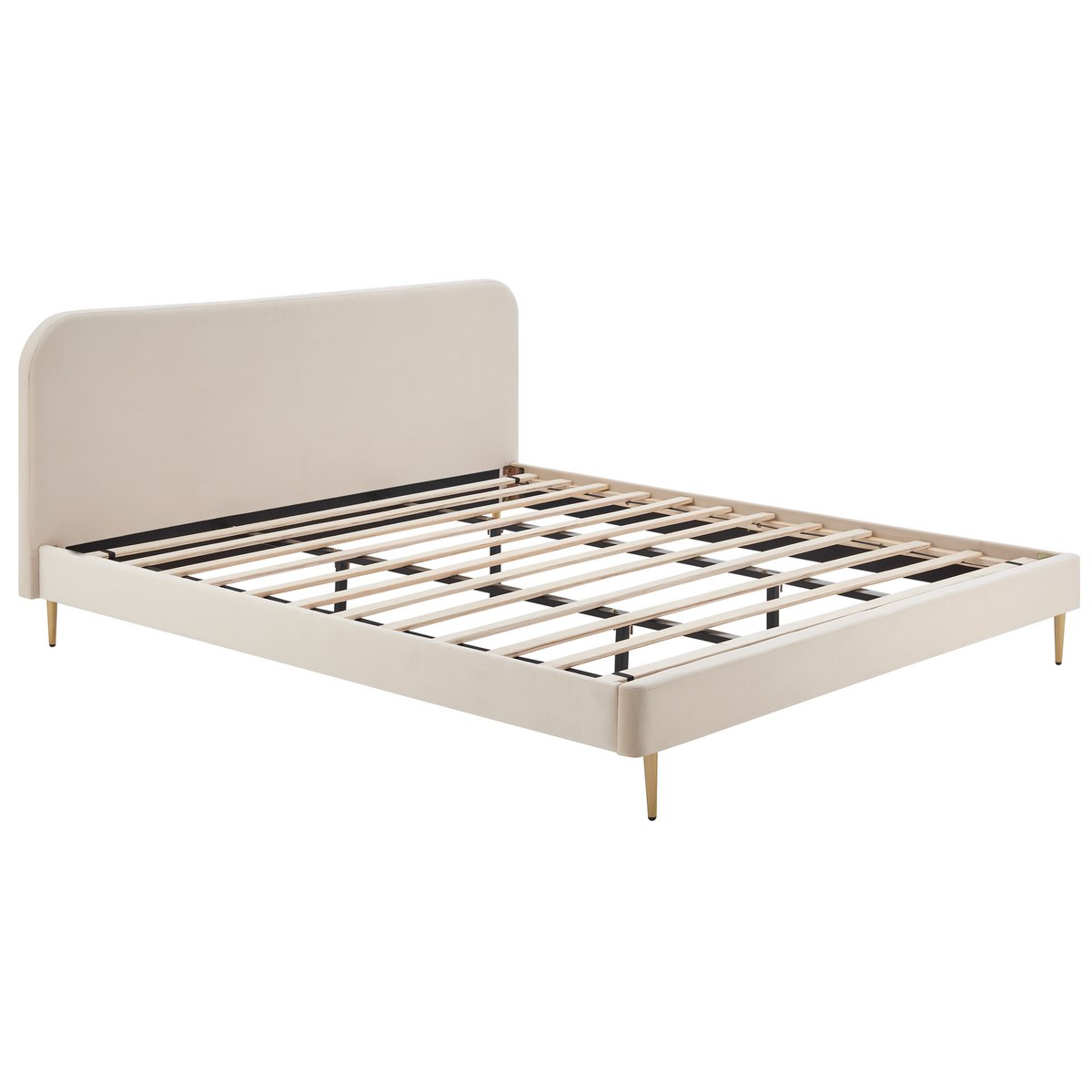
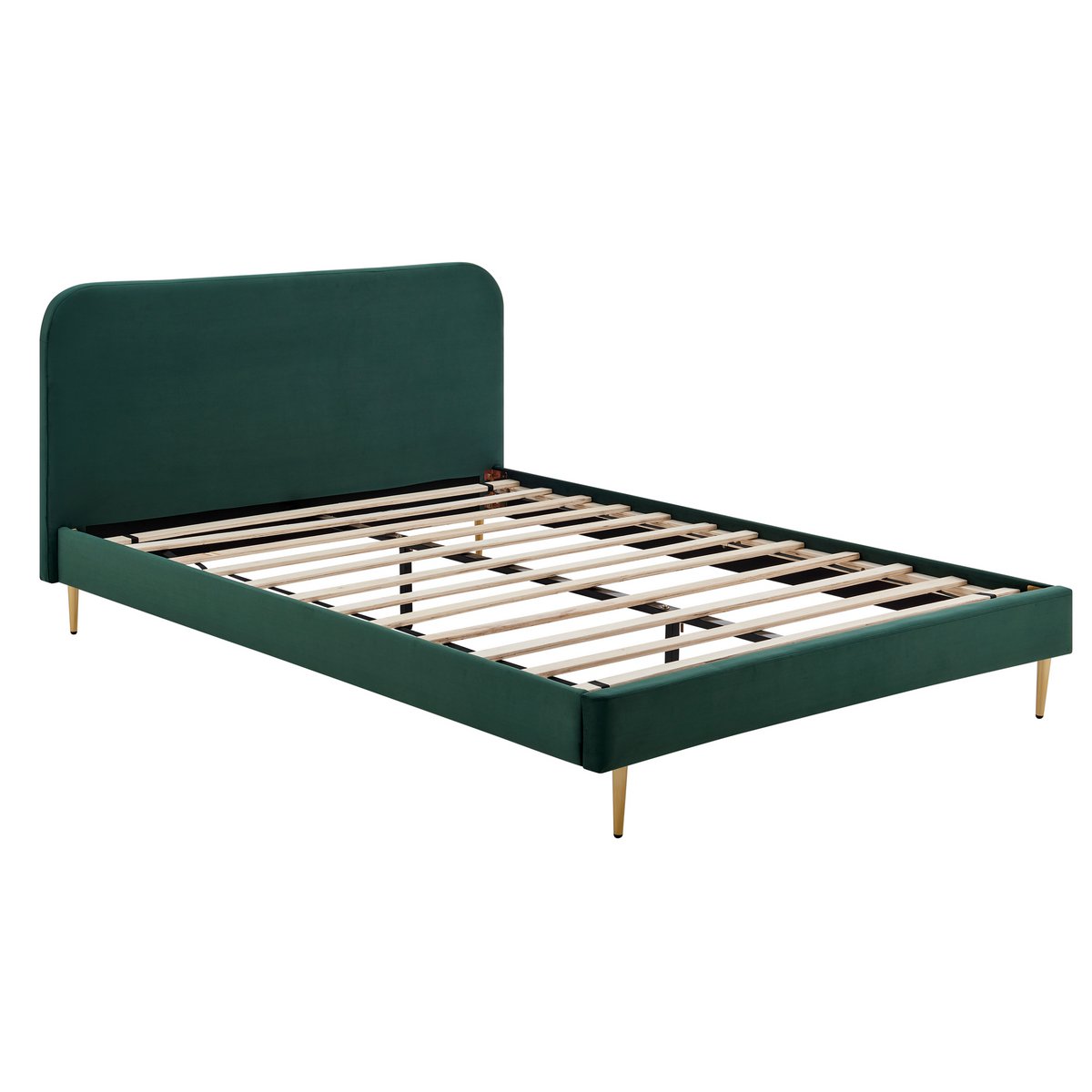
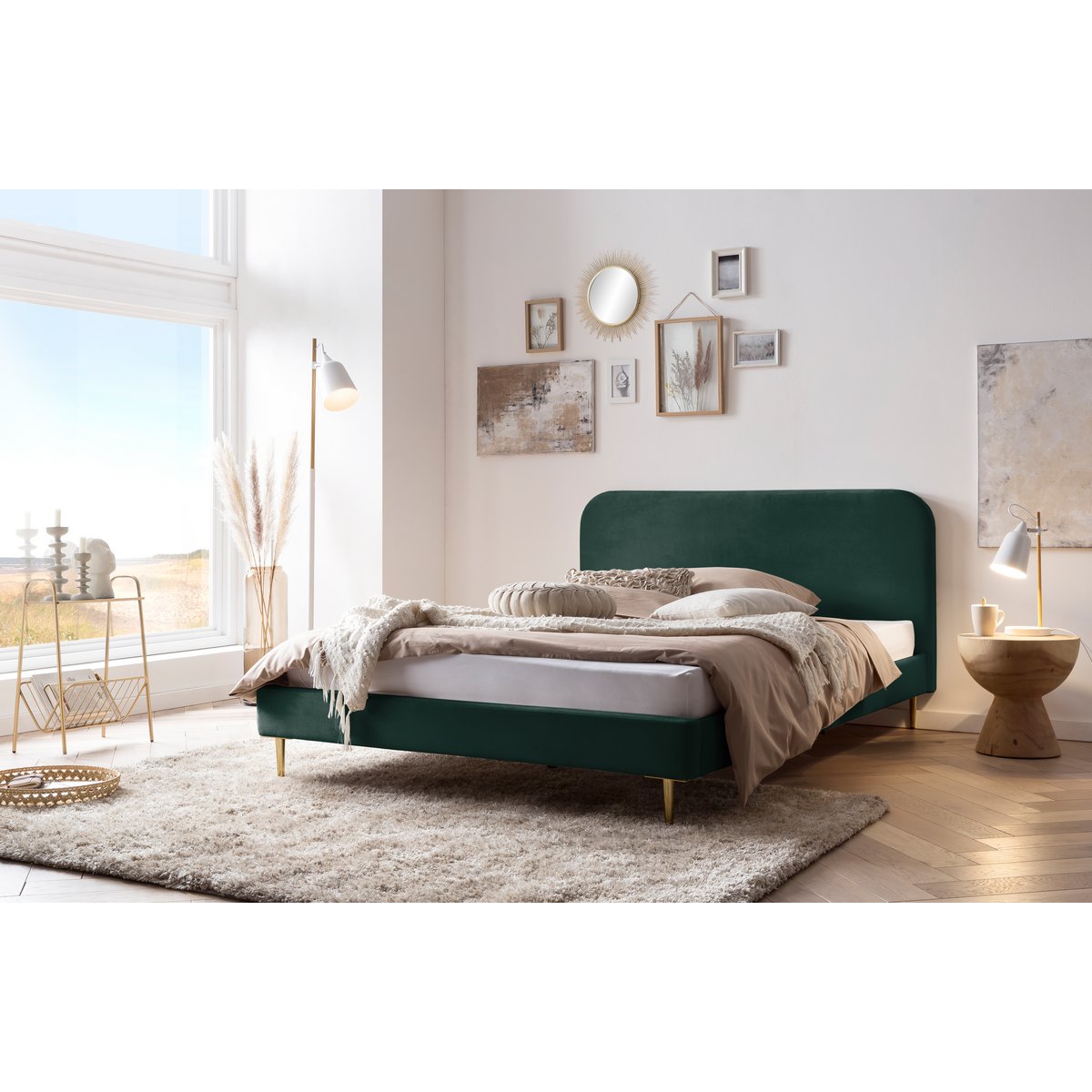
With a box spring bed, the upholstery consists of two parts: the cover of the box — the base with its spring core — and the cover of the headboard. Both are usually finished in the same fabric so the bed looks like a single cohesive piece. The upholstery itself is made up of a foam or fleece layer and an outer cover fabric. It serves mainly a visual and tactile function and contributes little to how firm the bed feels — that's determined by the mattress and, where used, a topper.
Anyone looking into box spring beds quickly comes across terms like quilting, pillow-top look, or Chesterfield upholstery. These are different finishing techniques applied to the same basic construction, not separate bed types. The difference lies in the stitching technique and the pattern used to secure the fabric to the foam core.
The construction of a box spring bed at a glance
A classic box spring bed consists of three to four layers:
- Base (box): A wooden frame with a Bonnell or pocket spring core, covered in upholstery fabric.
- Mattress: Sits loose on top of the box, usually also with a spring core or cold foam; its composition determines the firmness level.
- Topper: A thinner comfort layer on top, replaceable and usually covered with a removable zip-off cover.
- Headboard: Either fixed to the frame or free-standing, upholstered and color-matched to the box.
The mattress and topper, by contrast, have their own separate cover — usually removable — made from functional fabrics such as jersey or doubleface, which can be cared for independently of the visible upholstery.
Comparing cover fabrics
Different materials are used for the upholstery, and they differ noticeably in appearance, feel, and how much upkeep they require. Woven fabrics made of polyester or cotton blends are the most common choice because they're durable and usually easy to wipe clean. Linen-look fabrics feel more natural and slightly textured but are more sensitive to stains. Velvet and velour offer a dense, soft feel but tend to show pressure marks more easily, which can usually be brushed out again. Faux leather is smooth, sealed, and water-resistant, but feels cooler to the touch than textile fabrics.
A common measure of durability for upholstery fabrics is the Martindale value: it indicates how many rub cycles a fabric withstands in lab testing before visible wear appears. For box spring beds, which in the bedroom are exposed to far less friction than seating furniture in living areas, lower values than those typical for sofa fabrics are usually sufficient in practice.
How can you tell good upholstery quality?
The craftsmanship often shows in details that are easy to overlook at first glance.
Seams and edges
Double-stitched seams and reinforced corners hold up to mechanical stress over the years better than simply finished edges. It's worth taking a close look at the stitching, especially at the transitions between headboard and box or around the feet of the box.
Filling and shape retention
Beneath the fabric lies a foam or fleece layer that creates the padded effect. Thin or lower-quality filling flattens out over time and starts to look pressed in, particularly in frequently touched spots such as the center of the headboard.
Fabric weight and density
Heavier, more densely woven fabrics are less prone to bulging and hold their shape better over the years than thin, lightweight ones. When in doubt, a hands-on feel and tension test in store tells you more than any product description.
Quilting patterns and their look
Quilting is the most visible distinguishing feature between upholstery styles. Chesterfield upholstery with button tufting creates a classic diamond pattern and looks striking, but requires more care in the recesses. A pillow-top look with topstitched seams mimics placed pillows and feels softer. Smooth upholstery with no visible pattern is the most understated option and the easiest to clean, since there are no seam indentations to collect dust.
Care and longevity
Regular vacuuming with an upholstery attachment removes dust before it settles into seams and quilting. Stains are usually best treated immediately and locally rather than cleaning the whole surface wet — this avoids rings and uneven drying. Manufacturer cleaning instructions vary significantly by fabric type, so it's worth checking the care label before attempting any cleaning.
Re-upholster or replace the cover?
In principle, the upholstery of a box spring bed can be re-covered by an upholsterer, provided the frame itself is still in good condition. In practice, this is worthwhile mainly for high-quality, sturdy base frames, and less so for simpler models, where the material and labor costs of a re-cover quickly approach the price of a new bed. Choosing a robust, densely woven fabric from the start usually pushes this decision back by many years.
Comparing cover fabrics for box spring upholstery
| Fabric Type | Feel | Maintenance | Typical Martindale Range |
|---|---|---|---|
| Woven fabric (polyester/cotton blend) | tactile, structured | easy-care, usually wipeable | approx. 30,000–100,000 |
| Linen-look fabric | natural, slightly textured | more sensitive to stains | approx. 15,000–30,000 |
| Velvet/velour | soft, dense, shimmering | sensitive to pressure marks, requires regular brushing | approx. 20,000–40,000 |
| Faux leather | smooth, sealed, cooler to the touch | wipeable, water-resistant | manufacturer-specific, no classic Martindale value |
Matching products





Why Maison de Cocon
- The Beds & Mattresses collection from Maison de Cocon includes box spring beds with upholstered frames and headboards in a continuous fabric cover.
- In our models, the box and headboard are matched in color and material, rather than showing visible material breaks.
- Our product descriptions list the cover material and care instructions, so you can check before buying whether the fabric fits your everyday life.
- If you have questions about fabric quality or craftsmanship, our customer service is available before you buy.
how thread count, weight, and craftsmanship really determine hotel bedding quality · whether an adjustable slatted base is worth it over a manual model




Leave a comment
All comments are moderated before being published.
This site is protected by hCaptcha and the hCaptcha Privacy Policy and Terms of Service apply.